THE GAME
Numbers in a row
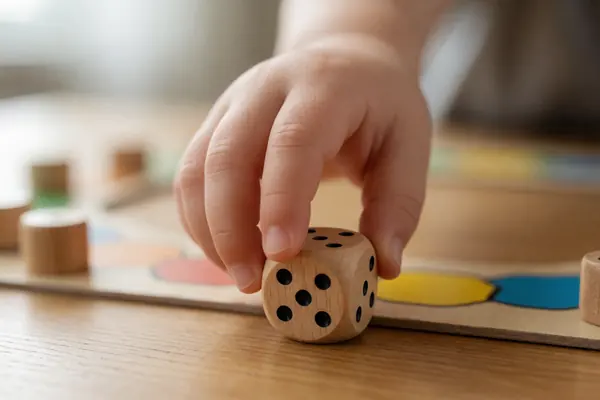
Children played a race game on a straight track of numbered squares. Just four 15-minute sessions closed a gap in number estimation between children from lower- and higher-income homes.
Pick a game toydoodle
WHAT THE STUDIES SAY
A simple race game can be a maths lesson in disguise.
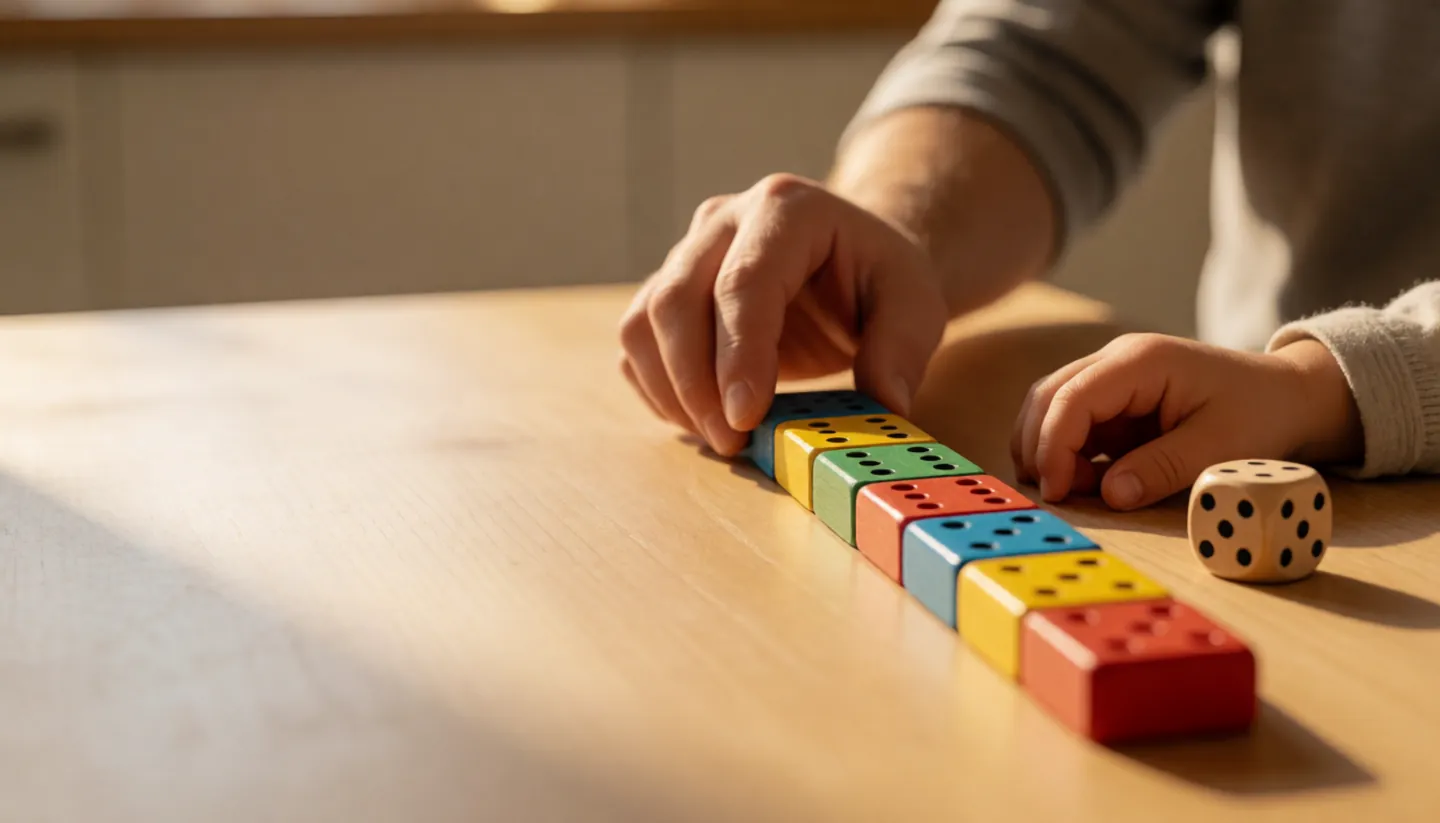
≈ 1 HOUR of play in total
4 × 15 min Sessions that closed the estimation gap
When young children move a counter along a straight track of numbered squares, they see that bigger numbers sit further along. In two studies, about an hour of play in total improved preschoolers' number skills.
THE SHORT ANSWER
Moving further for bigger numbers builds a mental number line.
The same game with colours instead of numbers did not help.
THE GAME
Children played a race game on a straight track of numbered squares. Just four 15-minute sessions closed a gap in number estimation between children from lower- and higher-income homes.
Pick a gameTHE CONTROL
Classmates who played an identical game with coloured squares instead of numbers did not improve on any of the number measures.
See the numbersIN SCHOOL
The Education Endowment Foundation says board games such as Snakes and Ladders are particularly beneficial for developing children's understanding of number.
Play at homeA QUICK GAME CHECK
Pick a kind of game to see what the studies found. The bar shows how strongly the evidence links it to better number skills.
Based on two 2008 studies by Ramani and Siegler with preschoolers from low-income backgrounds, and Education Endowment Foundation guidance.
FOUR WAYS TO PLAY
These ideas build on what the studies tested: a straight, numbered track and short games.
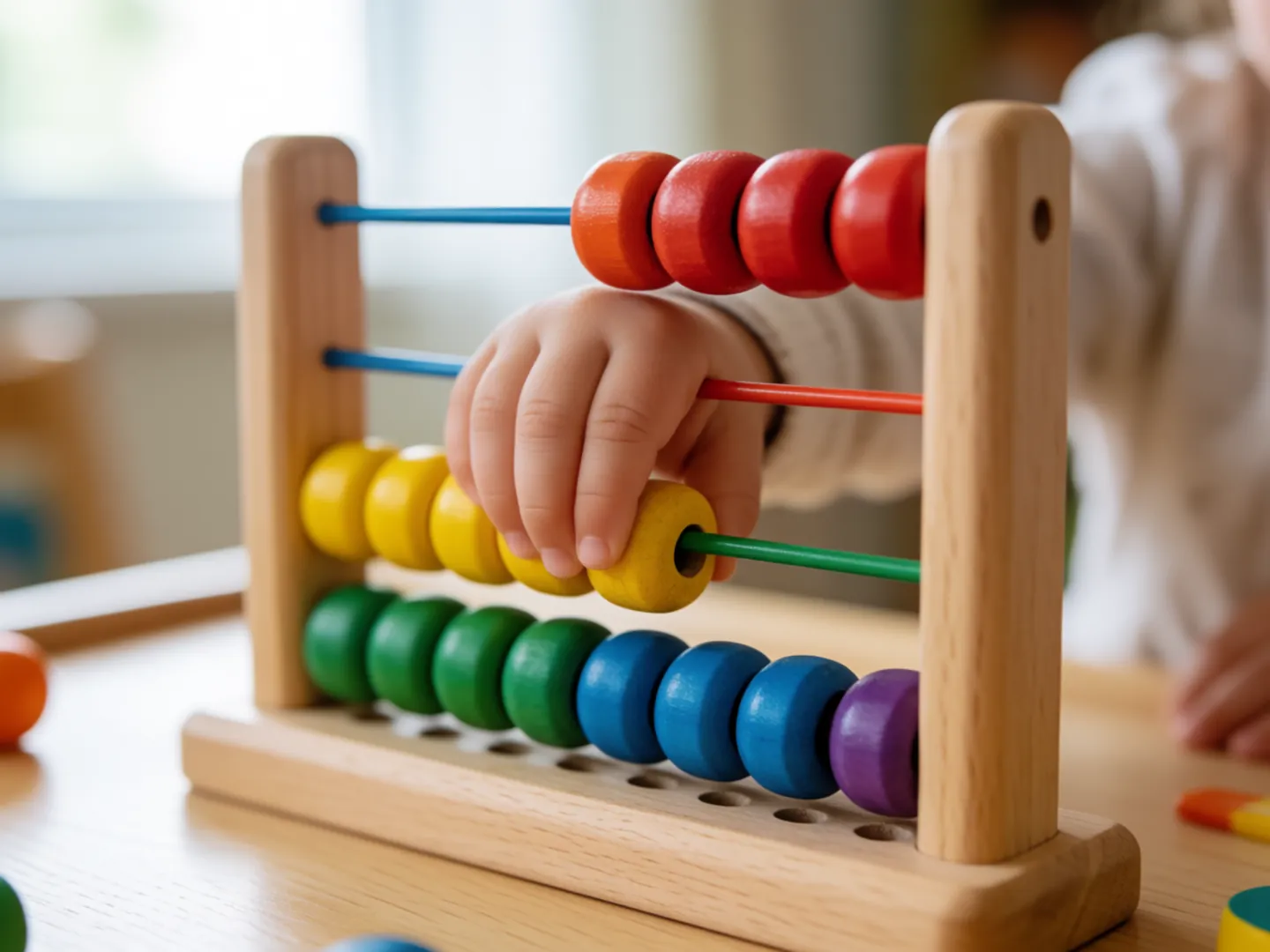
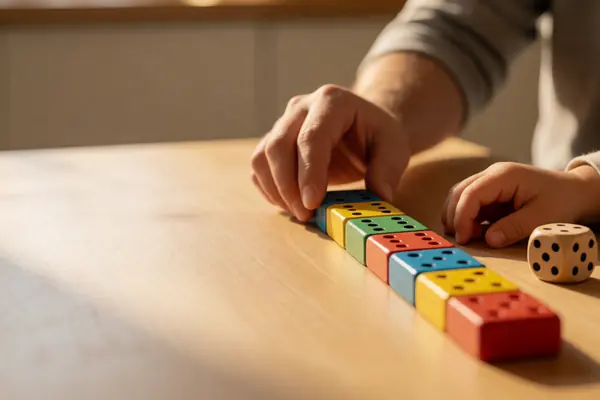
Choose or draw a board where the numbers run in a single line, so further along means bigger.
Saying the number on each square you land on keeps the number and the distance travelled together.
The studies used sessions of about 15 minutes, so a quick game is enough.
EEF guidance suggests weaving maths into the day, such as snack time, and using story and picture books too.
TWO NUMBERS WORTH KNOWING
How little play it took,
and how long the gains lasted.
4 × 15 min
Sessions that closed the estimation gap
Preschoolers from lower-income families started behind in estimating number size. After four 15-minute sessions of a numbered board game, the difference disappeared.
PLAY TIME · DEVELOPMENTAL SCIENCE 2008
9 weeks
Weeks later, gains still measured
After roughly an hour of play, preschoolers (average age 5.4 years) improved on four number tasks, and the gains remained 9 weeks later.
LASTING GAINS · CHILD DEVELOPMENT 2008
Both studies worked with preschoolers from low-income backgrounds, so results for other children may differ. Each compared the number game with a colour version of the same game.
WHERE IT LEADS
England's early years framework expects children at the end of reception to have a deep understanding of numbers to 10, to recognise quantities up to 5 without counting, and to count beyond 20.
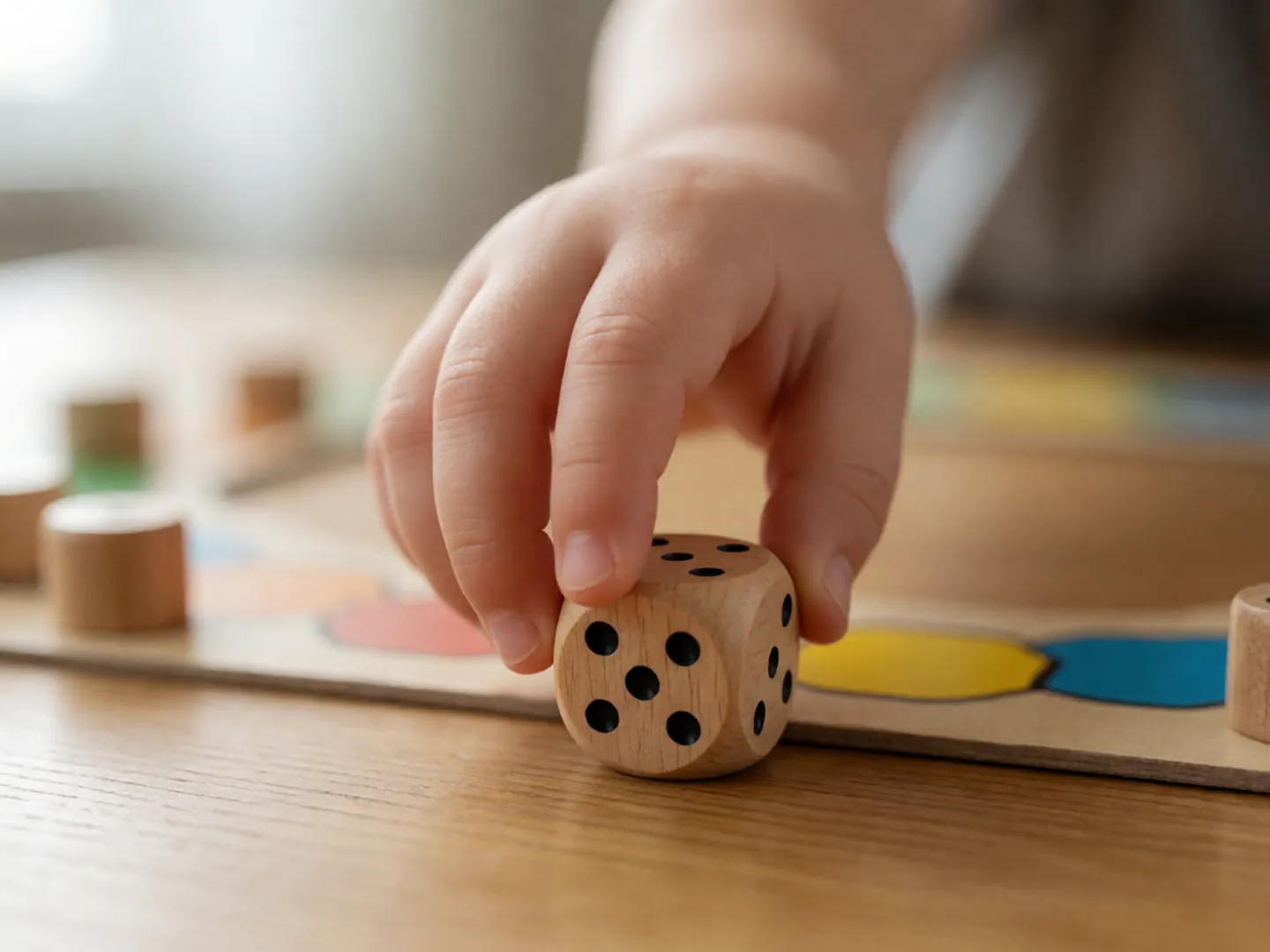
They should also compare quantities up to 10, saying when one is greater than, less than or the same as another. A board game practises exactly that, every time a counter moves.
Questions
In two 2008 studies, preschoolers who played a simple numbered board game for about an hour in total improved on counting, numeral identification, comparing numbers and number-line estimation, with gains lasting at least 9 weeks.
Yes. The studies used a straight track of numbered squares. Children who played the same game with coloured squares instead of numbers did not improve.
The researchers used short sessions of about 15 minutes. Four such sessions closed a gap in number estimation in one study.
The Education Endowment Foundation's early years maths guidance says board games such as Snakes and Ladders are particularly beneficial to developing understanding of numbers.
England's EYFS framework expects a deep understanding of numbers to 10, recognising quantities up to 5 without counting, and counting beyond 20.
Updated
ABOUT THIS NAME
toydoodle.com is part of the DoodleSale portfolio. It isn't in an auction right now, but you can ask about leasing it.